Wardogs Season 2 Update Explained
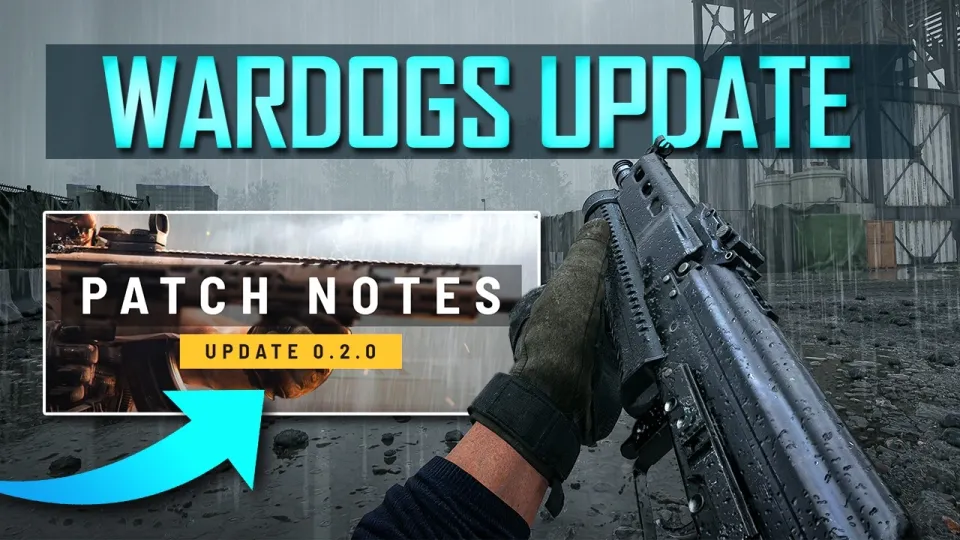
Video: WARDOGS New Season 2 Update ► EVERYTHING You Need To Know
You can order the same kind of articles for your own video to boost it on YouTube and Google. Just message the Telegram bot @sat_sit_bot. The bot writes and publishes the articles itself (with your YouTube video embedded) on popular topical websites (no ads). Your first 50 articles are free.
· based on the channel GhostGaming
Key takeaways
- Logistics deliveries now pay a base rate plus a streak bonus: a pallet at a 10-streak is $1,250 base plus $2,500 bonus outside the combat zone.
- The Lacota minigun helicopter becomes more expensive to field while anti-air options expand, including a new anti-air vehicle.
- The .50 cal damage was reduced by 16%, which lets tier 2 armor survive a hit from the end-game sniper rifle.
- The SKS Bipod price rose from $800 to $810, one of the smallest changes in the patch.
- Low-zoom, minimalistic optics remain locked behind late-level progression, a point of friction for infantry players.
Wardogs Season 2 is a broad economy and vehicle patch: logistics deliveries now pay a base rate plus a streak bonus, several vehicles and weapons were repriced or nerfed, and optics progression still gates the cleanest red dots behind high levels. The update landed on 14 October 2026, and the full patch notes are published on Steam, while GhostGaming's breakdown walks through every change in one pass; you can also catch the creator live on Twitch for hands-on testing of the new build.
What changes in the Wardogs Season 2 update
The headline of Wardogs Season 2 is a rework of how money is earned, especially for players who never fire a shot. Supply runs, FOB construction and vehicle sorties were all touched, and the numbers behind them shifted in ways that change how a match's economy flows.
Key changes at a glance:
- Logistics drop-offs pay a base value per pallet plus a bonus that scales with your delivery streak.
- A pallet delivered at a 10-streak is worth $1,250 base plus a $2,500 bonus, per the corrected figures the developers posted after the initial reveal showed numbers measured outside the combat zone.
- Vehicle pricing and weapon pricing were adjusted across the board, with some items moving by only a few dollars.
- Anti-air capability was expanded, adding pressure on helicopter pilots.
- The .50 cal damage output was cut by 16%.
Logistics payouts and the streak bonus
Logistics now rewards consistency rather than a single lucky run. The streak bonus is the core of the new system: the more consecutive successful drop-offs you string together, the larger the multiplier on top of the base pallet value, so a driver who keeps a clean route running earns meaningfully more than one who delivers sporadically.
The catch is volume. Because the base rate per pallet is modest, reaching the same income a fighter earns in a single firefight can require many trips. The community's main worry is that logistics was already an unpopular role, and a system that rewards long uninterrupted routes makes the short, reactive run — grabbing a URAL to top up a FOB that is running dry — less attractive than it used to be. If you plan to main supply work in Season 2, the practical approach is to commit to a route, protect your streak, and treat each delivery as part of a chain rather than a one-off favor.
Vehicle and helicopter balance
The Lacota minigun helicopter is now more expensive to field, and pilots are feeling the squeeze from two directions at once. A fully loaded minigun build costs around $14,000 with three flares, and recovering that investment requires kill streaks and careful flare management; a single mistake can wipe out thousands in value.
On top of the price increase, anti-air options were strengthened and a new anti-air vehicle joined the roster, alongside turret options that make low passes riskier. The trade-off is that helicopter survivability may improve slightly in the early part of the season, before those anti-air platforms become common on the battlefield. Pilots should expect to fly more conservatively, spend flares deliberately, and pick targets that pay for the airframe.
Ground vehicles were not spared either. The URAL's handling remains a running joke among drivers, and the logistics rework means the truck's earning potential depends on how many round trips you can chain together without interruption.
Weapons, armor and sniper tuning
The .50 cal nerf is the most consequential weapon change for infantry. A 16% damage reduction means tier 2 armor can now survive a shot from the end-game sniper rifle, which shifts the value of heavy armor and changes how sniper duels play out at range. Head and neck hitboxes still count as the decisive sniper zones, so precision matters more than raw caliber.
Smaller adjustments round out the patch. The SKS Bipod moved from $800 to $810 — a change so minor that it became a running joke, since players had hoped developer time would go toward fixing variable-zoom scope keybinds instead. Optics remain the sore spot: simple, uncluttered low-zoom red dots are still locked behind late levels, which many infantry players consider the single most frustrating progression decision in the game.
What the community is asking about Season 2
The dominant question is whether logistics and FOB building are still worth doing. Near the end of the previous season, fewer players were running supply and construction, and the concern is that a less lucrative logistics loop will push those roles toward obsolescence — leaving FOBs without ammo and builders without supplies. Builders point out that even with generous supply deliveries, wall construction is slow enough that a FOB can be overrun before defenses go up.
Other recurring questions:
- Is the driver leveling curve actually easier? The streak system changes earnings, but the experience required to level the driver role is largely unchanged.
- Will helicopters go unused? Some pilots already hesitated at the minigun airframe's price before Season 2; the new anti-air tools add another reason to think twice.
- Did anyone use the Lacota minigun before? Players report rarely seeing it in matches, which makes its nerf feel disconnected from actual play.
- Where is the round-trip bonus for transporting players? Season 1 had one, but leaving the vehicle for any reason cancelled it; players want confirmation that the cancellation bug is fixed.
- How fast will top-tier gear appear? Veteran players expect tier 3 and tier 4 armor plus heavy tanks within the first several hours of the season going live.
One structural addition players are praising is the squad intent list, which lets squads broadcast objectives in a way that recalls the team commander role from older Battlefield titles.
Useful Wardogs links
- Full patch notes: https://store.steampowered.com/news/app/1867240/view/670630562731396445
- Twitch: http://www.twitch.tv/ghostgaminggg
- Twitter: https://twitter.com/GhostGamingG
- Discord: https://discord.gg/MzkAVCy
- TikTok: https://www.tiktok.com/@ghostgaming_battlefield
Bottom line on the Season 2 patch
Wardogs Season 2 pushes the economy toward infantry play while making logistics, FOB construction and helicopter sorties harder to profit from. The streak-based delivery bonus is a genuine improvement for dedicated drivers, but the higher trip count needed to match combat income, the minigun helicopter's price hike and the 16% .50 cal nerf all narrow the viable playstyles. Expect heavy armor and top-tier vehicles to appear quickly, and expect the first balance pass to target logistics payouts if FOBs go quiet. For a full walkthrough of every change, watch GhostGaming's Season 2 breakdown, and follow the channel live on Twitch to see the new meta in action.
Source: WARDOGS New Season 2 Update ► EVERYTHING You Need To Know · Markdown version
Questions & answers
How much does a logistics delivery pay in Wardogs Season 2?
Deliveries use a base value per pallet plus a streak bonus. A pallet delivered at a 10-streak is worth $1,250 base plus a $2,500 bonus, based on the corrected figures the developers published after the initial numbers were measured outside the combat zone.
Did the .50 cal get nerfed in the Season 2 update?
Yes, .50 cal damage was reduced by 16%. The practical effect is that tier 2 armor can now survive a hit from the end-game sniper rifle, so head and neck shots matter more than ever for snipers.
Why are helicopter pilots unhappy with Season 2?
The Lacota minigun helicopter costs more to field — roughly $14,000 fully loaded with three flares — while anti-air options were strengthened and a new anti-air vehicle was added. Recovering that investment now requires kill streaks and careful flare use.
Is logistics still worth doing after the rework?
It can pay well if you chain deliveries and protect your streak, but matching a fighter's income takes many more trips, and quick emergency runs to resupply a FOB earn less than before. Players who enjoy driving should commit to a route; everyone else may find infantry more rewarding.